
Childcare Operations
How can daycare staff finish daily reports for parents without losing the whole afternoon?
Logging the day as it happens so closing time is calm instead of a stack of blank sheets.
Practical, honest advice from the team behind TinyReportr, written to help you do this well.
Logging the day as it happens so closing time is calm instead of a stack of blank sheets.

The details parents look for most and how to share them without writing an essay per child.
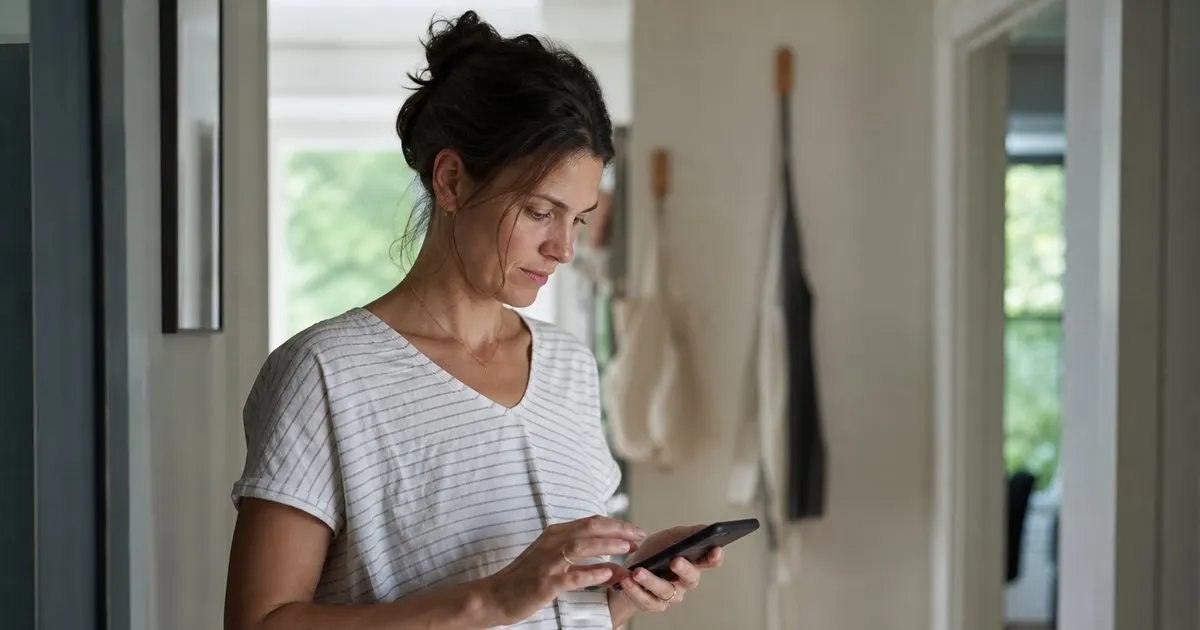
Reaching families through a simple link so there is nothing to download, update, or log into.

Running a whole room from a single device so logging is fast and nothing gets mixed up.

Giving parents a daily photo of their own child without exposing other families in the room.

Capturing the frequent, precise details infant parents rely on without slowing down the room.
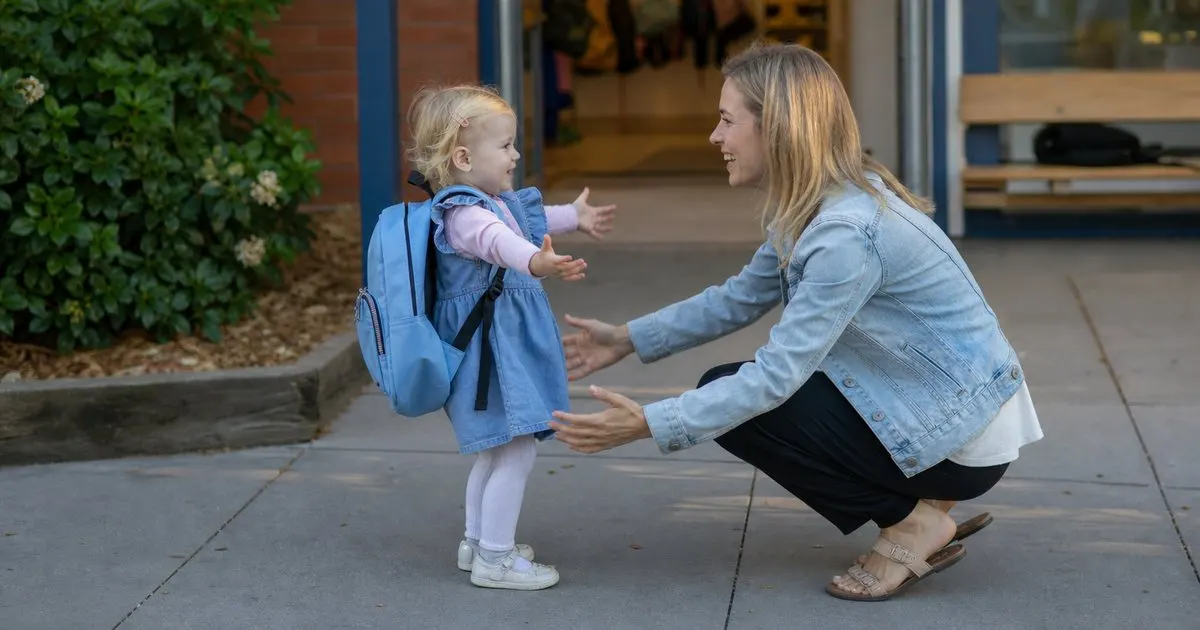
Giving parents the day's details before pickup so the doorway chat stays warm and short.

The value of looking back over weeks of reports for conferences, patterns, and peace of mind.

Bringing a hesitant team onto a new reporting tool without a stressful, all at once switch.
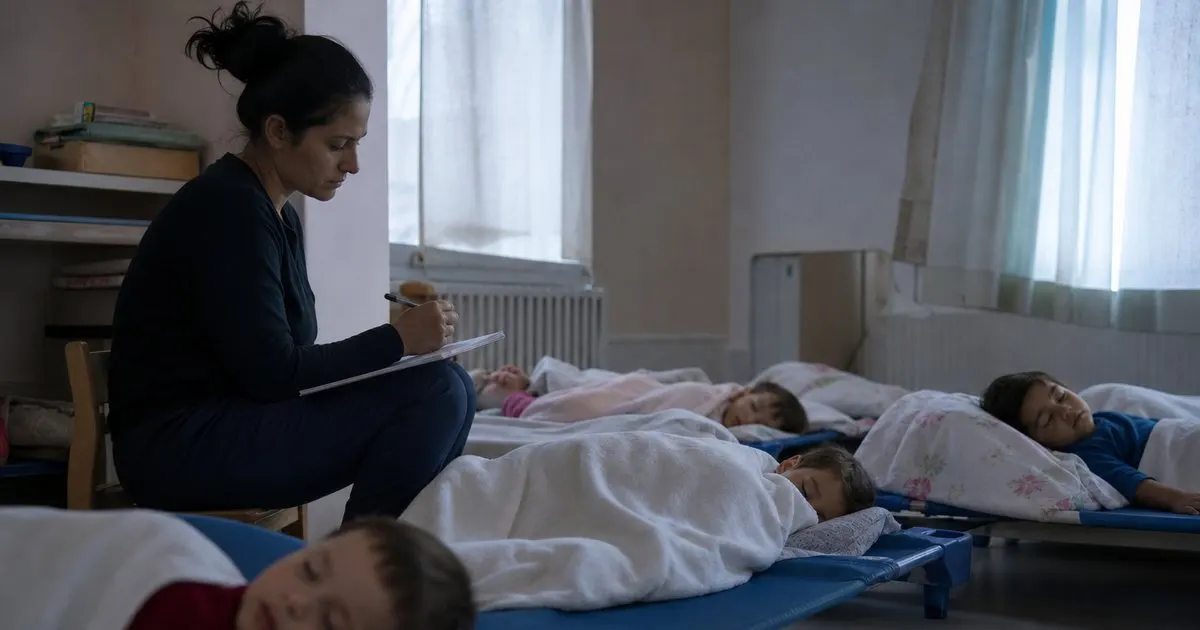
The nap line is one of the most read parts of any daily report, and one of the most misread. Here is how to log sleep so it is genuinely useful at 7 p.m.
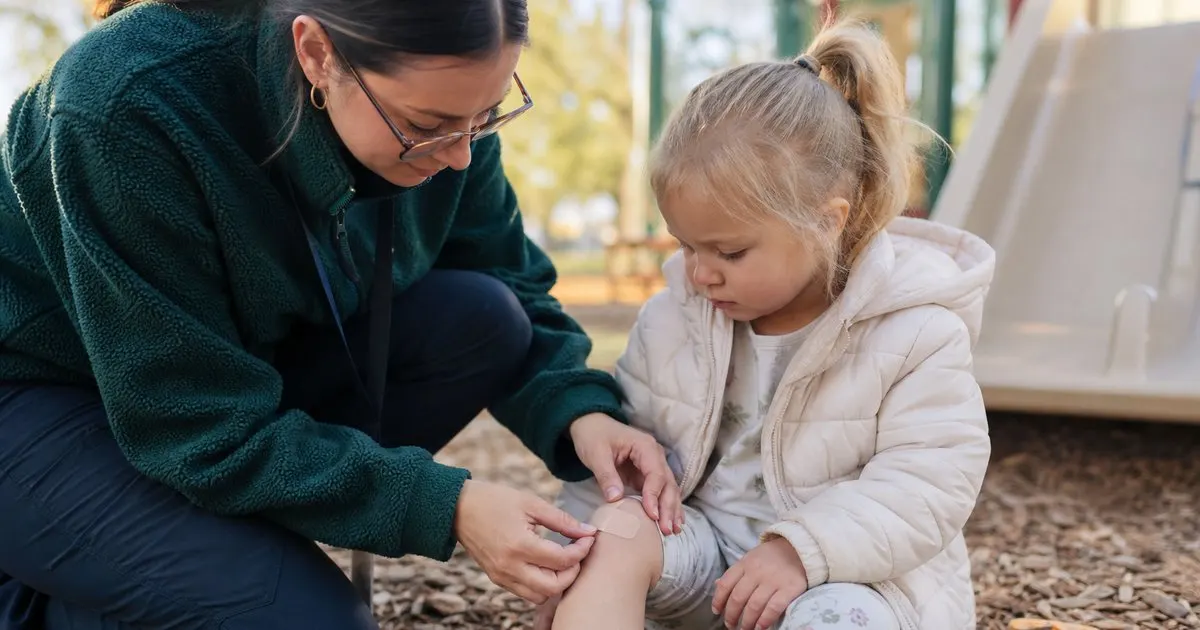
A bumped head and a scraped knee are not the same paperwork. Here is a practical line between what belongs in the daily report and what needs its own signed form.
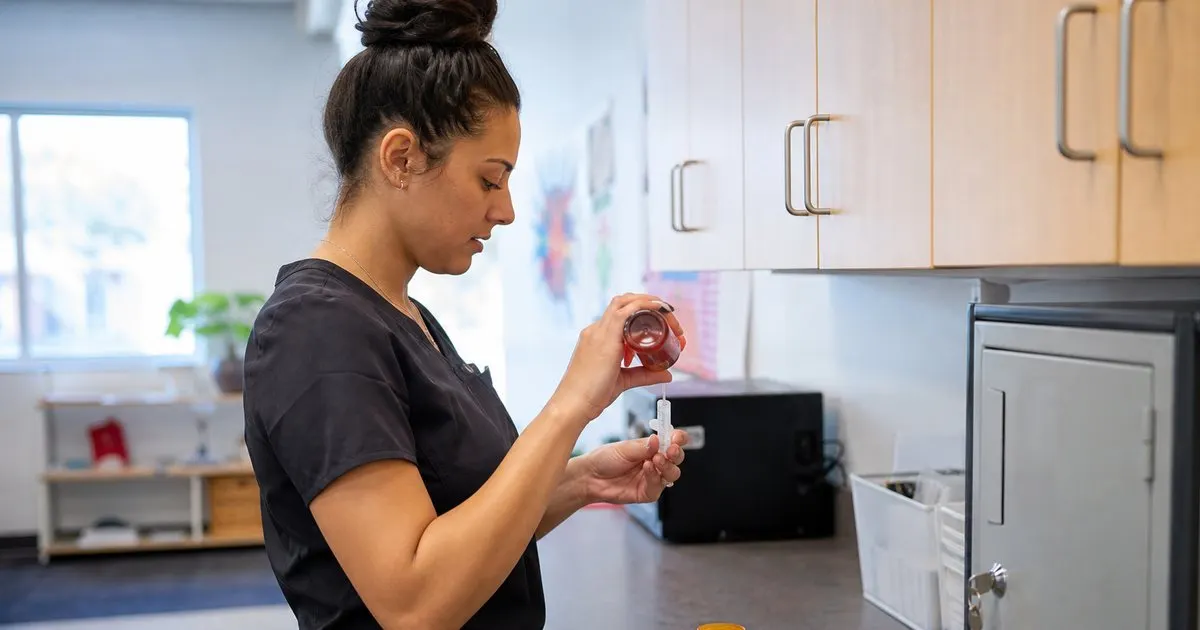
Medication logs and daily reports serve different readers. Here is how to give parents the reassurance they want without turning the daily note into a medical record.
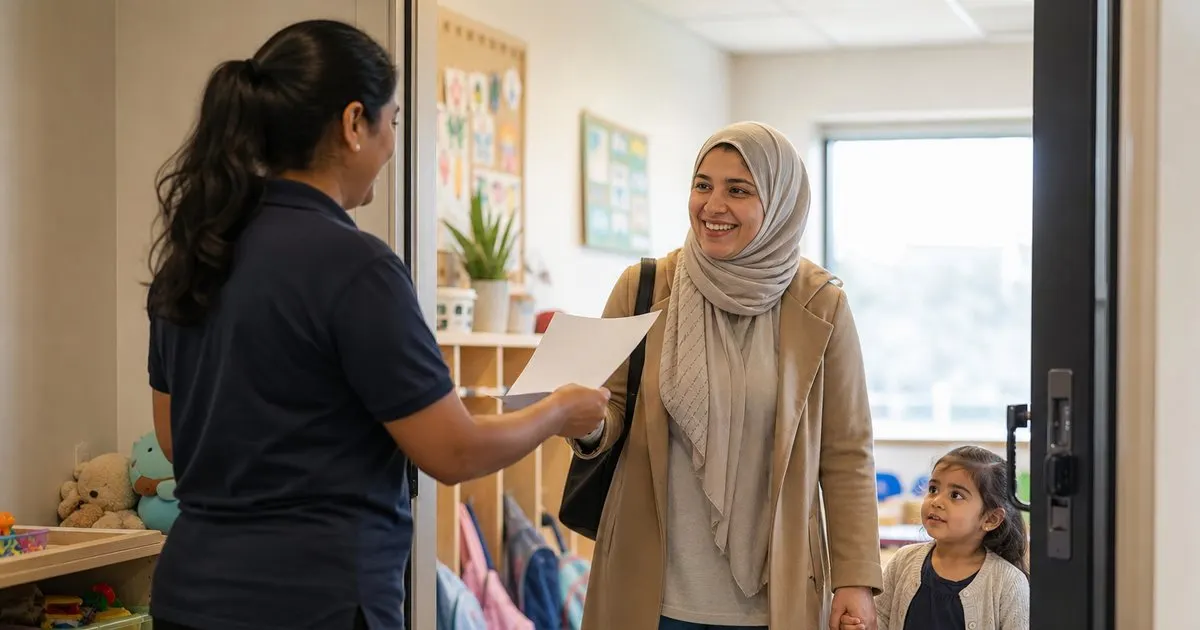
Many centers serve families whose home language is not English. Here is how to keep daily reports understandable, respectful, and accurate without a translator on staff.

Floaters and subs write a surprising share of daily reports. Here is what a first-day sub can realistically capture, and how the center should set them up to do it well.

Daily reports are parent communication, but parts of them double as licensing records. Here is what inspectors commonly look for and how to keep it without duplicating work.
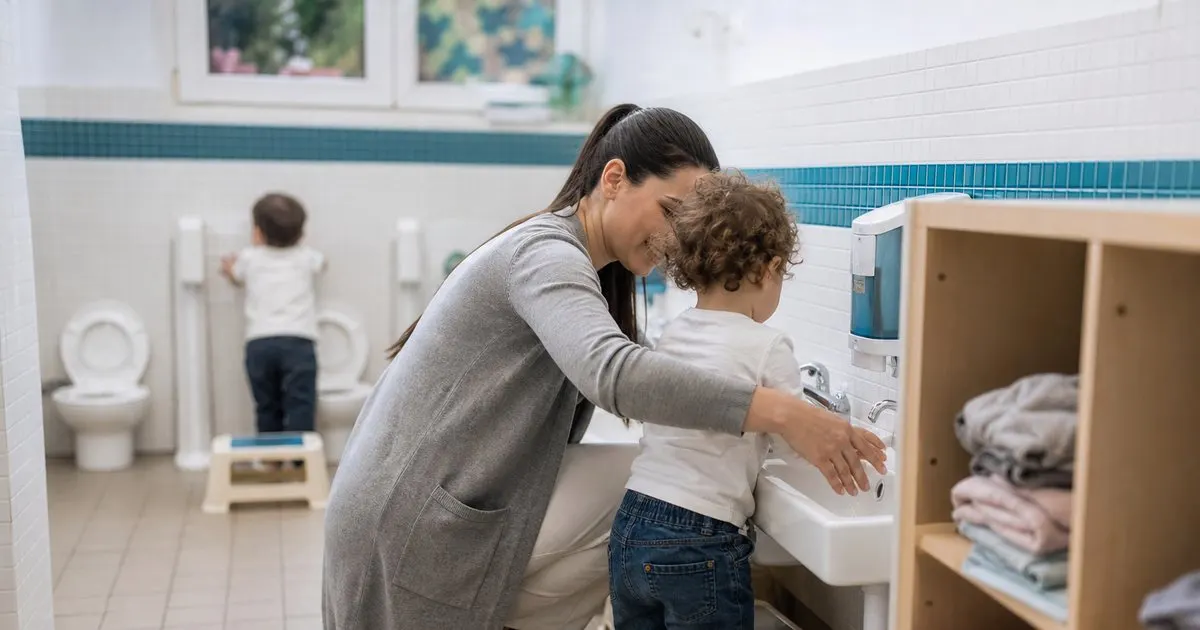
Toilet learning works when home and daycare are consistent, and the daily report is where that consistency gets built. Here is how to log it so it actually helps.

Shared custody is common, and it complicates who gets the daily report, what it says, and how staff respond when parents disagree. A clear plan protects everyone, especially the child.
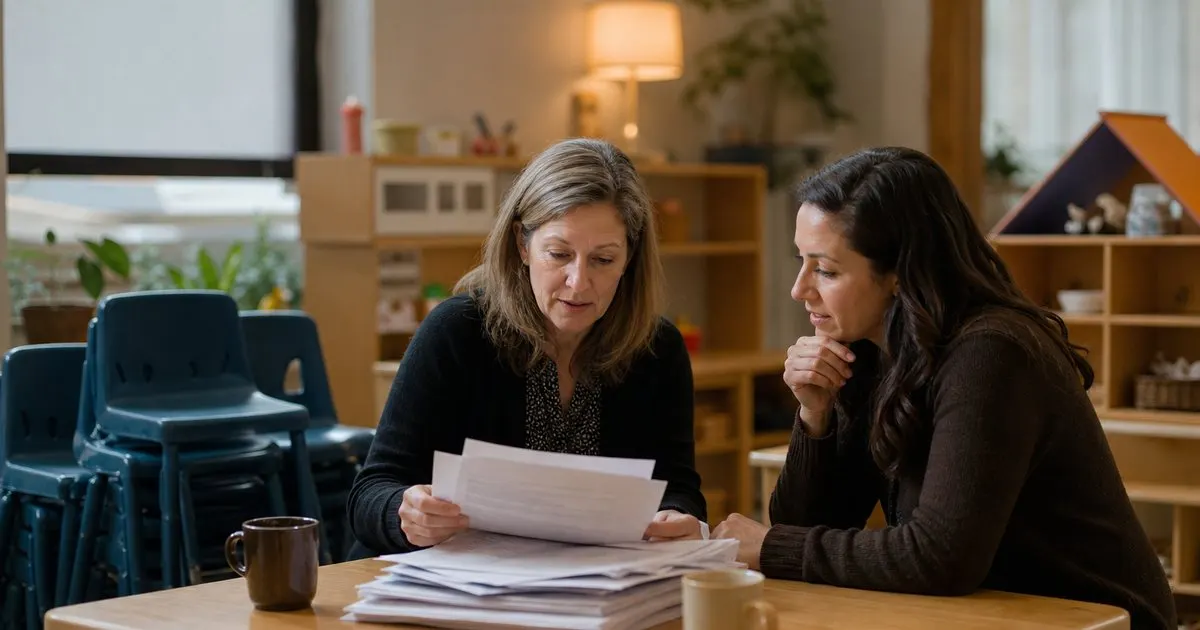
When several families say the same thing, it is a process problem, not a teacher problem. Here is how to find out why reports feel templated and fix it without adding hours of writing.

The mood line is where good intentions turn into labels that follow a child from room to room. Here is how to write what you actually saw, in words a family can use at home tonight.
Wi-Fi drops, a router dies, or the whole block loses power. A short fallback plan keeps the essentials accurate and on time instead of turning pickup into a scramble.