When should a daycare use a separate incident report instead of the daily note?
A bumped head and a scraped knee are not the same paperwork. Here is a practical line between what belongs in the daily report and what needs its own signed form.
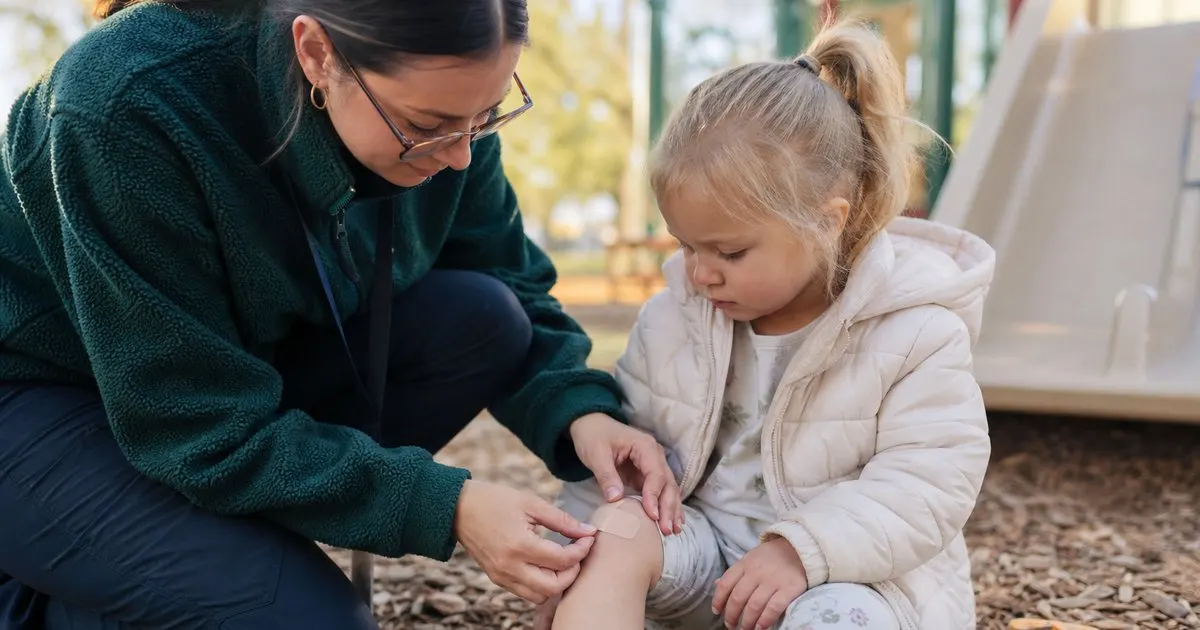
The two documents do different jobs
The daily note is a running account of the child's day written for the parent's evening: meals, naps, diapers, mood, and what the child did. The incident report is a formal record of one specific event written for the child's file, for your licensing agency, and occasionally for your insurer. It captures what happened, when, where, who saw it, what first aid was given, and who was notified. When the two get blended, both suffer. An injury buried in a cheerful paragraph gets missed, and a daily note written in formal incident language reads cold to a parent who just wants to know their child had a decent day. Related: What is the best way for staff to log a daily report on one shared classroom tablet?
Nearly every state requires licensed programs to document injuries and notify parents, and many specify the elements the record must contain and how long it must be kept. Requirements vary by state and program type, so the details below are general practice, not a substitute for your licensing rules. The consistent principle across programs is that anything involving an injury, first aid beyond a quick wash, contact to the head, a bite, a medication error, a supervision lapse, or a child leaving the group needs its own report with signatures, regardless of how minor it seemed at the time. Related: How can daycare staff finish daily reports for parents without losing the whole afternoon?
Keep reading: How can daycare staff finish daily reports for parents without losing the whole afternoon?, What should a daycare include in a daily report to keep parents informed and reassured?, Can a daycare send daily reports to parents without making them install another app?. See how TinyReportr helps you daycare daily reports for parents.
A practical threshold staff can apply in the moment
Teachers need a test they can run while holding a crying child. Five questions work: Did it leave a mark? Did it involve the head, face, or eyes? Did another child cause it? Did you give first aid beyond comfort and a rinse? Would the parent be upset to hear about it from the child instead of from you? A yes to any of them means an incident report, plus a short mention in the daily note that a report was completed and is ready to review. If every answer is no, a line in the daily note is enough. Related: Can a daycare send daily reports to parents without making them install another app?
Gray areas will come up. A child who cries hard after a fall but has no visible mark, or a scrape that needed nothing but a hug, sits close to the line. Lean toward the report whenever the head was involved, because symptoms can appear later and the parent needs a record to give a doctor. Bites are always an incident report, for both children involved. Each family receives a report about their own child only, and standard practice, which many states expect, is to describe the event without naming the other child. Teachers should know that convention before the first bite, not after.
What the incident report needs that the daily note does not
A complete report includes the date, the time, the location in the building or yard, the activity underway, the staff present and where they were positioned, a factual description of what happened, a description of the injury, the first aid given, who was notified and at what time, the staff signature, the parent signature with date, and a director review. Write in plain observable language. Fell from the second step of the climber and landed on his right forearm is a useful record. Took a little tumble is not, and it will read poorly if the report is ever examined by someone outside the center.
Timing matters as much as content. For head injuries, anything needing medical attention, or anything that frightened the child badly, call the parent immediately. For minor injuries, notify the parent the same day and have the written report ready at pickup so they can read it and sign it before leaving. Keep a copy in the child's file for the retention period your state requires. If your center documents incidents digitally, confirm with your licensor whether an electronic acknowledgment satisfies the signature requirement, because acceptance is not universal and a missing signature is an easy citation. Related: What should a daycare include in a daily report to keep parents informed and reassured?
How the daily note should reference the incident
The daily note should acknowledge the event briefly and point to the formal document. Something like: Maya had a small fall on the playground this morning and is doing fine, and an incident report is ready for you at pickup. Do not repeat the full details in the note, and do not leave it out either. A parent who reads a happy daily note and then discovers a bandage feels misled, even when the report was waiting at the front desk. The next day's note should close the loop with a line about how the child seemed, whether the bruise changed, and whether they returned to the same activity comfortably.
Incident documentation earns its keep when someone reads it in aggregate. Directors should review reports weekly and look for patterns: the same climber, the same fifteen minutes before lunch, the same pairing of children, the same room on days a floater covers. That review is where a stack of forms turns into a safety change. Digital daily report tools, including TinyReportr, can show a simple incident report completed indicator on the parent's report so the signal is consistent from room to room, but the substance still lives in the formal record and in the director's willingness to read it.
- Use an incident report for any injury, head contact, bite, first aid beyond a rinse, medication error, or supervision lapse.
- Describe the event in plain factual language and never name the other child involved.
- Have the written report ready for the parent to read and sign at pickup, and call immediately for head injuries.
- Mention the incident briefly in the daily note, point to the report, and follow up in the next day's note.

Julien Jimenez
Julien Jimenez is an independent software builder based in Paris. He designs, ships, and operates focused SaaS products for small businesses and independent professionals. Read the full author page.
Daily reports parents actually read
Daycare daily reports for parents. TinyReportr is built to help you put this into practice.
Start daily reportsMore from the TinyReportr blog


Get the TinyReportr playbook
Practical guides on childcare operations, straight to your inbox as we publish them. No spam, unsubscribe any time.