How should a daycare record nap times so parents can actually plan bedtime at home?
The nap line is one of the most read parts of any daily report, and one of the most misread. Here is how to log sleep so it is genuinely useful at 7 p.m.
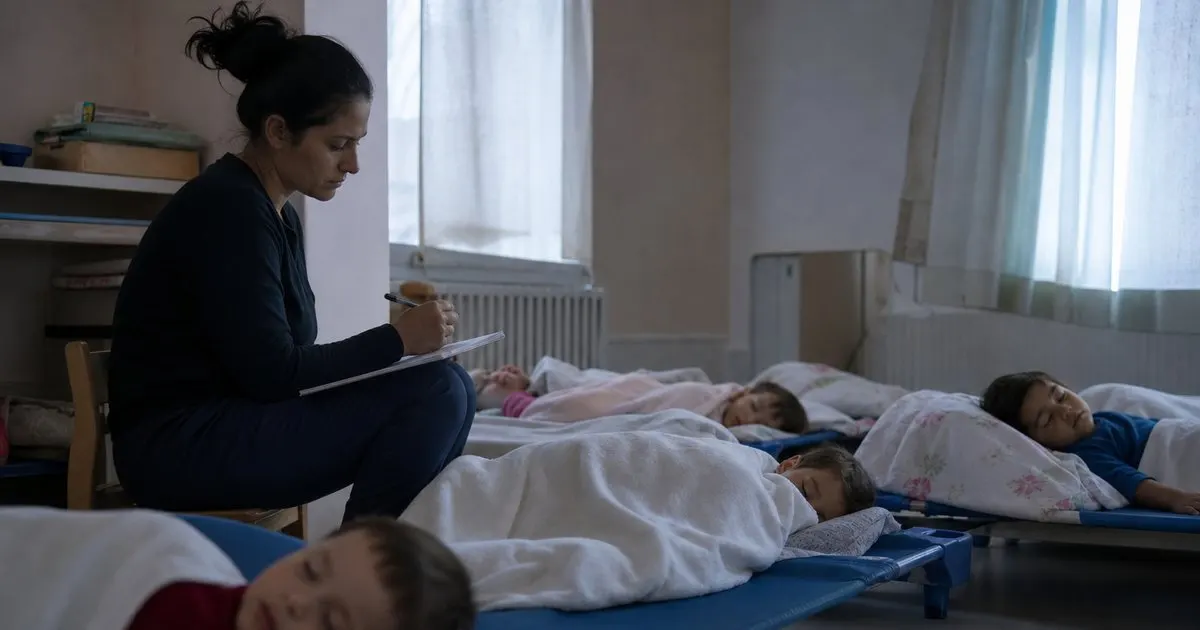
Why the nap line matters more than most staff realize
Parents build their entire evening around one number. A toddler who slept two and a half hours at daycare and a toddler who slept forty minutes need different dinner times, different bath times, and different bedtimes, and the parent will not know which evening they are walking into until they read the report. Most families are trying to solve a recurring nightly problem, either an overtired meltdown at 6:30 or a child bouncing in the crib at 9:30. The nap entry is the single piece of daycare data that most directly shapes what happens at home, which is why a vague or late entry causes so much frustration. Related: What should a daycare include in a daily report to keep parents informed and reassured?
Entries like napped well, short nap, or rested are close to useless for planning. Parents want two things: when the child fell asleep and when the child woke up. The wake time is the more important of the two, because it determines how long the child has been awake by bedtime. A child who woke at 1:45 and a child who woke at 3:30 are in very different places at 7:00, even if both slept ninety minutes. If the report only offers a duration, the parent is guessing at the half of the information they actually need. Related: Can a daycare send daily reports to parents without making them install another app?
Keep reading: How can daycare staff finish daily reports for parents without losing the whole afternoon?, What should a daycare include in a daily report to keep parents informed and reassured?, Can a daycare send daily reports to parents without making them install another app?. See how TinyReportr helps you daycare daily reports for parents.
Log the start and the wake time, not just a duration
Record the time the child fell asleep and the time the child woke as two separate events, ideally as two separate taps or two separate boxes rather than one nap field filled in later. Ninety minutes from 12:30 to 2:00 and ninety minutes from 2:15 to 3:45 look identical as a duration and mean completely different evenings. If a child wakes and falls back asleep, log both segments. If the child was woken up for pickup or for the afternoon snack, say so, because a woken child and a child who woke on their own are not the same child at bedtime.
Tie logging to work staff are already doing. Most programs conduct periodic visual checks on sleeping children, and many states have specific check requirements for infant rooms (check your own state's rules for the interval and format), so the nap log can ride along with the check routine instead of being a separate memory task. Write the time you observed, not a rounded guess. If you noticed the child asleep during a 12:40 check but did not see the exact moment, write it as asleep by 12:40 so the parent understands it is an observation window rather than a precise start. That honesty costs nothing and prevents a parent from building a schedule on a number that was invented at 4:30. Related: What is the best way for staff to log a daily report on one shared classroom tablet?
Add the context that explains an unusual nap
A short nap with no explanation invites a worried message. A short nap with a one-line reason tells the parent everything: woke when the fire drill sounded, took a long time to settle after the new blocks arrived, or had a stuffy nose and kept waking. Two kinds of context are worth the extra seconds. The first is what happened before the nap, such as a long outdoor session, a rough drop-off, or a late lunch. The second is how the child woke, whether on their own, woken by staff, or upset. Both help a parent decide whether tonight needs an earlier bedtime or a normal one.
Log the attempts that did not work. Rested quietly from 1:00 to 1:40 but did not fall asleep is real information, and it is different from a forty-minute nap even though both end at 1:40. Some families ask for a nap cap for older toddlers who are fighting bedtime, and if your program honors those requests, record each day whether the cap was applied and how the child responded. Honest logging protects staff as much as it helps parents. When a parent asks why their child was wired until nine, the log answers the question before it becomes an argument.
Set expectations with families about what the log can and cannot do
Nap patterns at daycare often differ from home. Group settings run on a consistent schedule, the room is darkened at the same time every day, and other children sleeping is contagious in a way that does not happen alone in a bedroom. A child who naps two hours at the center and refuses on weekends is common and not a sign of anything wrong. Cover this in the intake conversation so the first surprising report does not feel like a mystery. The log shows what happened, not a judgment, so keep phrases like bad nap or refused to sleep out of it and let the times speak.
Consistency is what makes the nap line scannable. Use the same format every day so a tired parent can find the wake time without reading a paragraph. If you log digitally, a tool that stamps the time when the teacher taps, as TinyReportr and similar report tools do, removes the temptation to reconstruct the afternoon from memory. Over a few weeks, the pattern becomes visible: short naps on Mondays after a weekend of late nights, long naps on outdoor-heavy days. When a family raises bedtime trouble at a conference, that history is the most useful thing you can bring to the table. Related: How can daycare staff finish daily reports for parents without losing the whole afternoon?
- Log the fall-asleep time and the wake time as separate events; the wake time is what parents use to set bedtime.
- Record what you observed at the moment you observed it, and phrase check-based entries honestly as asleep by a given time.
- One line of context explains an unusual nap and prevents a worried message from the parent.
- Keep the format identical every day so the nap line can be found and read in seconds.

Julien Jimenez
Julien Jimenez is an independent software builder based in Paris. He designs, ships, and operates focused SaaS products for small businesses and independent professionals. Read the full author page.
Daily reports parents actually read
Daycare daily reports for parents. TinyReportr is built to help you put this into practice.
Start daily reportsMore from the TinyReportr blog



Get the TinyReportr playbook
Practical guides on childcare operations, straight to your inbox as we publish them. No spam, unsubscribe any time.