What should a daycare director do when parents say the daily report feels generic?
When several families say the same thing, it is a process problem, not a teacher problem. Here is how to find out why reports feel templated and fix it without adding hours of writing.
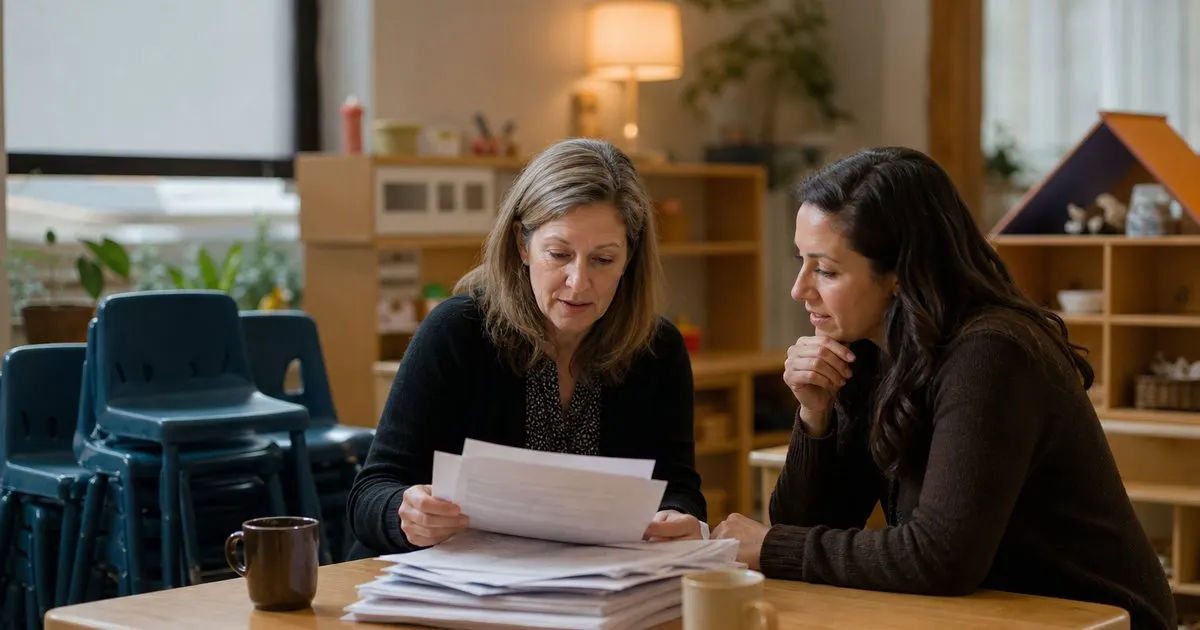
Find out what generic actually means to the parents
Ask two or three of the families for a specific example, because generic means different things. Usually it is one of three complaints: the narrative sentence is identical from one day to the next, the same activity description appears on every child's report in the room, or the report lists what the class did and never mentions their child by name doing anything. Occasionally the structured data is fine and only the narrative is thin. Sometimes the report is simply arriving late, after the parent has already asked the child about the day, and parents describe that as generic because they only skim it. Related: What should a daycare include in a daily report to keep parents informed and reassured?
Then check the scope. Is it one classroom or all of them? One teacher or the template itself? Pull a week of reports from each room and read them side by side. If every child in a room shares the same narrative sentence, that is a copy-paste habit. If the narratives are individual but bland, that is a writing skill to coach. If the narratives are actually fine and families are still unhappy, the issue is probably timing or the expectations that were set at enrollment, and the fix is a conversation rather than a writing change.
Keep reading: How can daycare staff finish daily reports for parents without losing the whole afternoon?, What should a daycare include in a daily report to keep parents informed and reassured?, Can a daycare send daily reports to parents without making them install another app?. See how TinyReportr helps you daycare daily reports for parents.
Replace adjectives with one specific observation per child
The fix is not longer reports. One true sentence about the child does more than four cheerful ones. Spent twenty minutes building a garage for the small trucks and was upset when cleanup came says something a parent can picture and ask about at dinner. Had a fun day and enjoyed free play says nothing. Teach staff the pattern: what the child did, with whom or with what, and one thing that surprised the teacher or looked new. That is it. A report built around one observation like that never reads as generic, even when everything else on it is a checkbox.
Give teachers prompts rather than sentence banks. What did this child choose first this morning? Who did they play near? What did they say that made you smile? What was hard for them today? Prompts produce specifics; sentence banks produce sameness, which is the problem you are trying to solve. Set a target that is achievable in a real room: one specific observation per child per day, not a paragraph. A teacher with twelve toddlers can do that if they jot it in the moment rather than trying to remember twelve moments at 4:30.
Fix the workflow that produces sameness
Generic reports are almost always written in a batch at the end of the day, when the teacher remembers what the group did and not what each child did. Move logging closer to the moment: a quick note during a transition, a photo with a caption when the thing happens, a tap on the tablet while the child is still holding the block tower. Separate the two kinds of content in your template. The class activity, what the room did today, can legitimately be shared across every child's report. The individual line cannot, and the template should make it visually obvious which is which. Related: What is the best way for staff to log a daily report on one shared classroom tablet?
If teachers genuinely cannot jot anything during the day, the constraint is staffing or the report format, not motivation, and no amount of coaching will fix it. Reduce required narrative fields, lean on structured data and photos, and reserve the writing for the one observation. In TinyReportr the class activity is written once for the room and the individual note is entered per child, and we built it that way because copy-paste narrative was the single most common complaint we heard from parents when we started. The same separation works on paper with two clearly labeled boxes.
Close the loop with the families who raised it
Tell the parents who raised the concern what you changed and when they should expect to see it, then check back with them a few weeks later. Bring examples of good reports to a staff meeting, with names removed, so the standard is concrete rather than a vague request to be more personal. Praise specific reports, not general effort. A teacher who hears that her line about the truck garage was exactly right will write another one tomorrow; a teacher who hears do better will write more adjectives. Related: Can a daycare send daily reports to parents without making them install another app?
Be honest with families about limits. Some days are chaotic, and a report that says busy day, short note, Mia was fine and ate well is better than a fabricated paragraph. Parents accept short when it is true and personal. Generic reports often track staff turnover, and if a new teacher or a run of subs is the cause, say so and describe how you are coaching them. Finally, set expectations at enrollment about what a daily report is and is not, because a parent who expects a daily essay will always be disappointed, and a parent who expects one true line will be pleased most days. Related: How can daycare staff finish daily reports for parents without losing the whole afternoon?
- Get concrete examples from parents and compare a week of reports across rooms before deciding what is wrong.
- Require one specific observation per child per day, built from prompts rather than a bank of sentences.
- Separate the shared class activity from the personal line in the template and log closer to the moment.
- Tell families what changed, check back, and praise specific reports in staff meetings.

Julien Jimenez
Julien Jimenez is an independent software builder based in Paris. He designs, ships, and operates focused SaaS products for small businesses and independent professionals. Read the full author page.
Daily reports parents actually read
Daycare daily reports for parents. TinyReportr is built to help you put this into practice.
Start daily reportsMore from the TinyReportr blog


Get the TinyReportr playbook
Practical guides on childcare operations, straight to your inbox as we publish them. No spam, unsubscribe any time.